

The Putin India Visit 2025 Agreements S-400 Payment System talks signal a new phase in the Special and Privileged Strategic Partnership. India-Russia set to sign pacts on logistics (RELOS), Labour Mobility, and trade de-dollarisation via RuPay-Mir link, reinforcing strategic autonomy amidst sanctions.
Putin India Visit 2025 Agreements S-400 Payment System
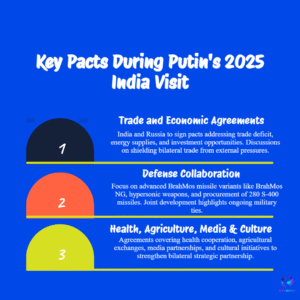
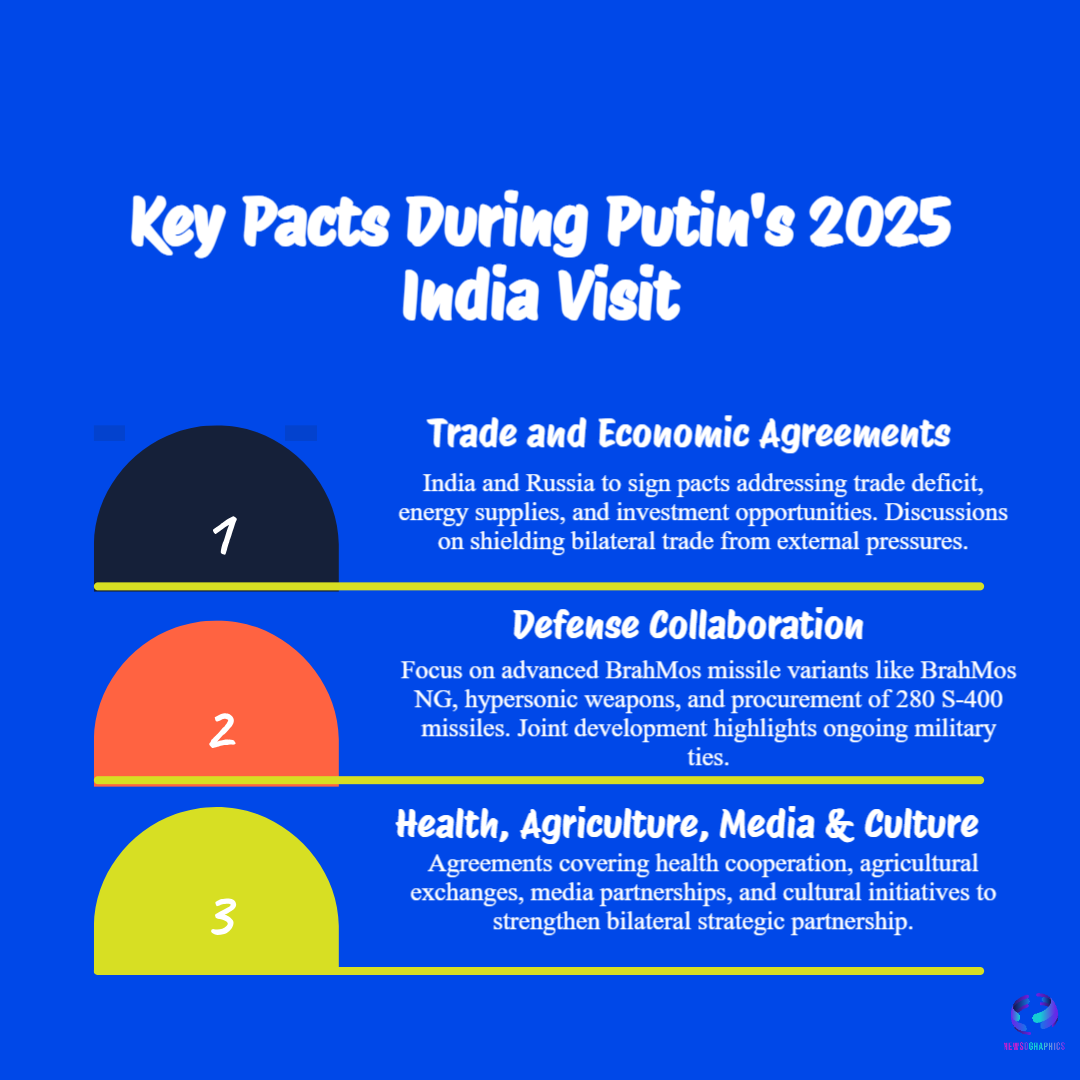
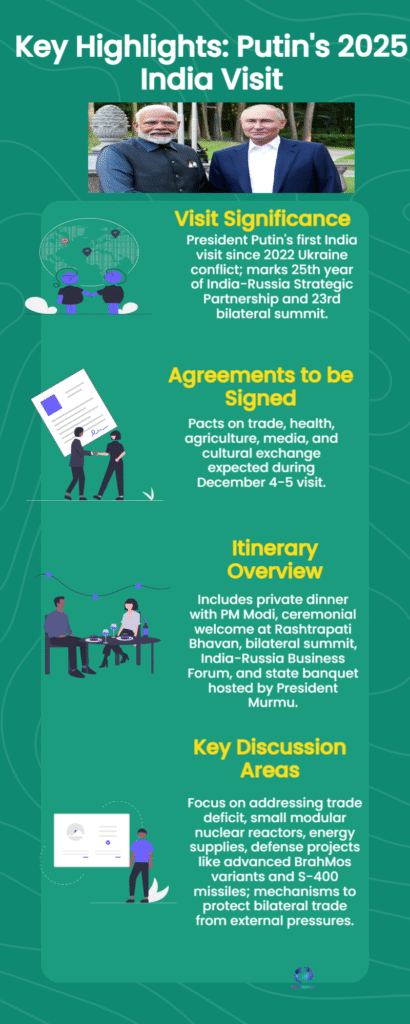
Russian President Vladimir Putin’s state visit to New Delhi for the 23rd India-Russia Annual Summit (December 4-5, 2025) is poised to be one of the most significant diplomatic events of the year. Beyond the ceremonial exchange and review of the Special and Privileged Strategic Partnership, the two nations are set to finalize and sign a dozen agreements, extending cooperation far beyond the traditional pillars of energy and defence into critical new domains like finance, logistics, and human resources. The core objective of these new pacts is clear: to build resilient, long-term bilateral architecture shielded from Western sanctions and geopolitical pressures, reinforcing India’s stance on strategic autonomy.
The defence sector remains the bedrock of the bilateral relationship, with India continuing to rely on Moscow for up to two-thirds of its military inventory. High on the agenda is the accelerated delivery and operationalization of the remaining S-400 Triumf air defence missile systems, which have proven critical for India’s air space security. Crucially, the summit will see the full operationalisation protocol of the Reciprocal Exchange of Logistic Support (RELOS) pact, which was ratified by the Russian Parliament just days before the visit. RELOS is a foundational agreement that allows the navies and air forces of both countries to use each other’s military facilities for refuelling, repairs, and stocking supplies.
The most transformative outcomes of the summit are expected in the financial and trade realm. With bilateral trade volumes surging to nearly $70 billion, largely driven by discounted Russian oil imports, the central challenge is simplifying payment mechanisms hit by Western restrictions. A key agreement expected is the formal linkage of India’s RuPay payment network with Russia’s Mir payment system. This integration would bypass US-controlled channels like Visa and Mastercard, enabling tourists and businessmen to use local cards freely in each other’s country. This is a massive step toward trade de-dollarisation and creating a dedicated, sanctions-proof financial channel for sustained bilateral commerce.
To address India’s massive trade deficit, the two nations are also pushing for new pacts to boost Indian exports—especially in high-demand Russian sectors like pharmaceuticals, specialized agricultural produce, and machinery.