


Medanta neurologist warns young adults in their 20s are at high risk of severe burnout. Learn the 6 early signs, prevention strategies, and lifestyle tips to protect mental health.
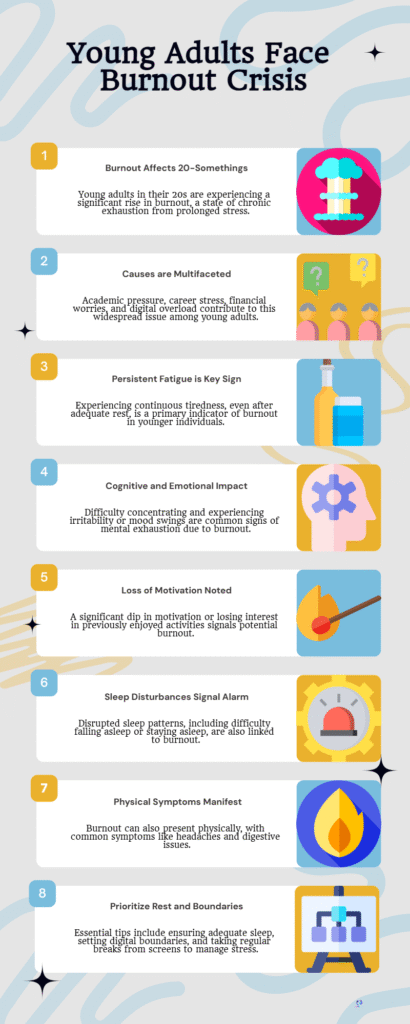
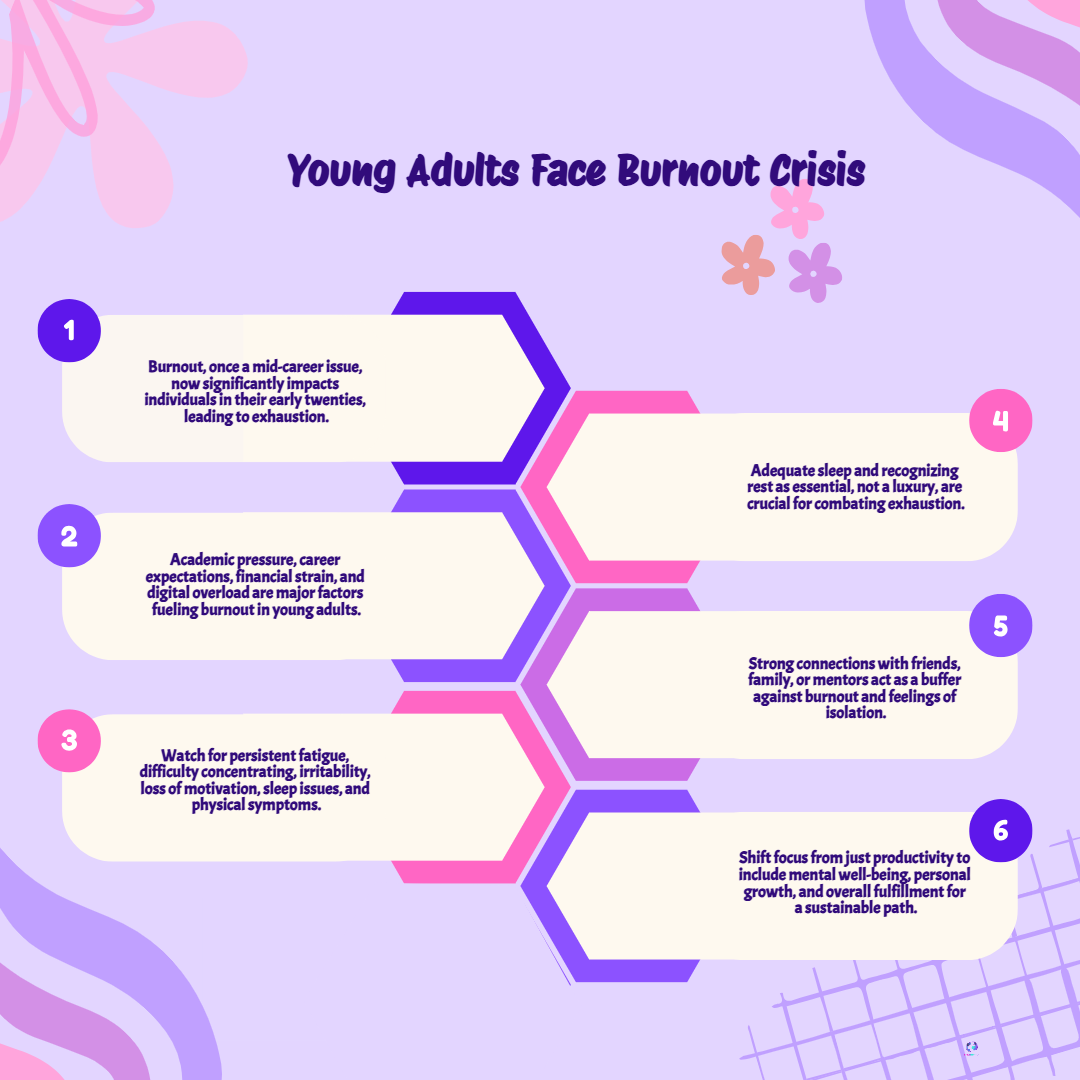
Burnout, once considered a problem primarily for middle-aged professionals, is now increasingly affecting young adults in their 20s. According to a recent statement from a Medanta neurologist, severe burnout can develop early in life and have lasting consequences on physical and mental health if ignored. Experts warn that recognizing early signs of burnout in young adults is critical for timely intervention and prevention.
The neurologist highlighted six warning signs that young adults should monitor closely. These include persistent fatigue despite adequate sleep, frequent irritability, declining work or study performance, lack of motivation, feelings of detachment, and physical symptoms such as headaches or muscle tension. Each of these indicators, when observed consistently, may signal the onset of severe burnout. Searches for phrases like “early signs of burnout in 20s” and “burnout symptoms young adults India” have surged, reflecting growing concern among students and professionals alike.
Stress factors contributing to burnout in young adults often involve academic pressure, long working hours, social comparison, and digital overload. The combination of high expectations and lack of structured downtime increases the likelihood of exhaustion and mental fatigue. Mental health professionals stress that early recognition and intervention can prevent burnout from escalating into anxiety, depression, or chronic health issues.
Practical strategies to mitigate burnout include structured daily routines, regular physical activity, mindfulness practices, and setting realistic goals. Experts recommend limiting social media consumption and creating dedicated downtime to disconnect from work or studies. Nutrition, hydration, and adequate sleep remain foundational for maintaining energy levels and cognitive function, helping young adults sustain productivity without compromising mental health.
Additionally, seeking professional support is crucial when signs of burnout persist. Neurologists and psychologists suggest counseling, therapy, or mentorship programs to address underlying causes and develop coping mechanisms. Institutions and workplaces are also encouraged to foster supportive environments that prioritize mental well-being, encourage flexible schedules, and reduce excessive workloads.
Public awareness campaigns have emphasized the importance of early burnout detection. Blogs, webinars, and social media initiatives focusing on mental health are gaining traction in India, providing resources for young adults and their families. Long-tail search terms such as “how to prevent burnout in young professionals”, “mental health tips for students India”, and “burnout recovery strategies” are increasingly used by those seeking guidance online.
Recognizing burnout as a legitimate health concern rather than a personal weakness is essential. Young adults must understand that feelings of fatigue, detachment, or lack of motivation are signals to adjust lifestyle habits, seek support, and maintain mental well-being. Experts warn that neglecting these signs can lead to decreased academic or work performance, strained relationships, and long-term health complications.
In conclusion, burnout in young adults is a pressing mental health issue that requires attention, awareness, and preventive strategies. Monitoring the six early signs, adopting healthy lifestyle practices, and seeking professional support can help mitigate risks. Families, educational institutions, and workplaces play an essential role in supporting mental well-being and promoting resilience among young adults. By addressing burnout proactively, young adults can maintain productivity, sustain motivation, and safeguard both mental and physical health for the long term.