




Chronic sleep deprivation weakens immunity and may raise long-term cancer risk. Doctors explain why 7+ hours matters and how to restore immune function with simple sleep hygiene steps.
Doctor Explains the Science Behind Sleep and Cancer Connection
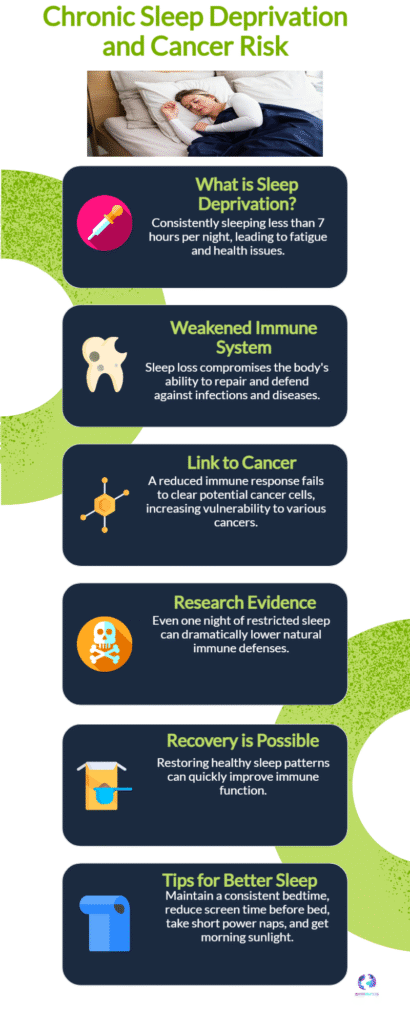
New commentary from physicians highlights a worrying link between chronic sleep loss and weakened immune defence that could, over time, increase cancer risk. According to Dr Kunal Sood, consistently sleeping fewer than seven hours a night harms the body’s natural immune response — the same system that removes abnormal cells before they turn cancerous. Several studies show even a single night of marked sleep loss can blunt immune markers, and persistent short sleep may compound that effect.
Dr Sood explains that when sleep is restricted — for example to four hours a night — the body’s ability to fight infections and clear potentially cancerous cells is impaired. That does not mean sleep loss instantly causes cancer, but a chronically weakened immune system raises vulnerability to infections and could increase long-term risk for some cancers, particularly when combined with other risk factors such as smoking, poor diet, or chronic inflammation. Hindustan Times notes the commentary draws on social-media content and has not been independently verified by the outlet. Readers should treat the explanation as informed medical perspective rather than a definitive clinical finding.
Importantly, experts stress the effect is reversible: immune function typically improves once healthy sleep is restored. Practical, evidence-backed steps to bolster sleep and immunity include keeping a consistent bedtime, reducing late-night screen exposure, getting morning sunlight to reset circadian rhythm, short daytime naps when needed, and prioritising 7–9 hours of sleep for most adults. These sleep hygiene measures support immune recovery and lower the cumulative health risks linked to sleep deprivation.