


Air quality across Delhi-NCR has plunged deeper into the severe zone, with toxic smog and dense fog worsening visibility and raising public health concerns.
Air Quality Slips to Alarming Levels Across Delhi-NCR
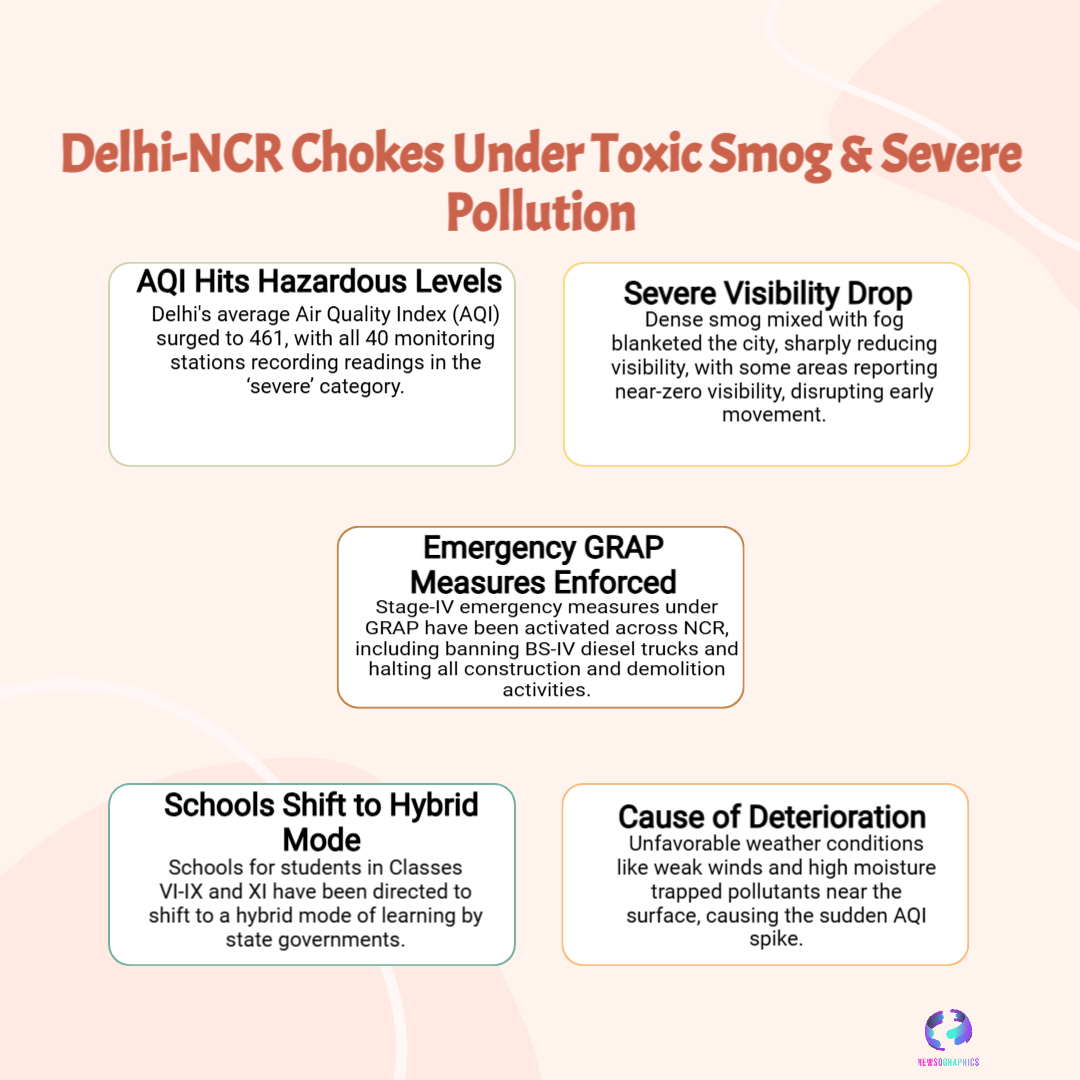
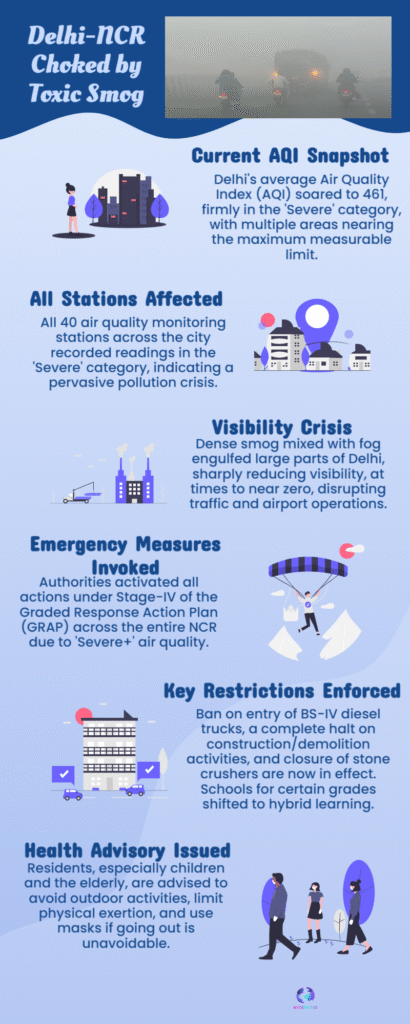
Air quality in Delhi-NCR and the surrounding National Capital Region has deteriorated sharply, pushing pollution levels deeper into the severe category. A thick layer of toxic smog has settled over the region, reducing visibility and intensifying concerns over prolonged exposure to hazardous air.
Monitoring stations across multiple districts have recorded consistently poor readings, reflecting a sustained build-up of pollutants rather than a brief spike. The worsening conditions underline the fragility of air quality during the peak winter season.
Toxic Smog and Dense Fog Combine to Disrupt Daily Life
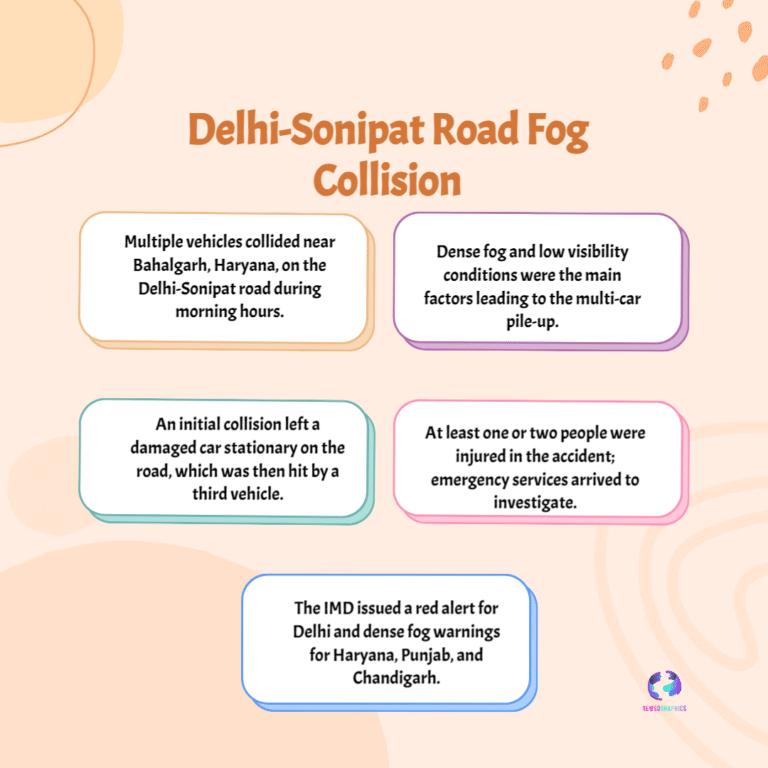
The convergence of dense fog and high pollutant concentration has created hazardous conditions, particularly during early morning and late evening hours. Reduced visibility has affected road, rail, and air movement, while the persistent haze has become a defining feature of the cityscape.
Beyond logistical disruption, the smog has also altered daily routines for millions, as outdoor activity declines and urban life adapts to prolonged periods of poor air quality.
Seasonal Factors Driving the Pollution Surge
Meteorological Conditions
Winter weather patterns play a significant role in trapping pollutants close to the ground. Low wind speeds and temperature inversion prevent dispersion, allowing emissions from vehicles, construction activity, and regional sources to accumulate rapidly.
Regional and Urban Emissions
The pollution burden is amplified by a combination of local emissions and transboundary factors. Industrial output, traffic density, and construction dust within the city interact with agricultural and industrial emissions from neighboring regions, creating a complex and persistent pollution mix.
Health Concerns Take Center Stage
Delhi-NCR Prolonged exposure to severe air quality levels poses serious public health risks, particularly for children, older adults, and individuals with respiratory conditions. Even healthy populations may experience irritation, reduced lung function, and fatigue during extended pollution episodes.
Hospitals and clinics in the region often report a seasonal rise in respiratory complaints during such periods, reflecting the cumulative impact of sustained poor air quality rather than isolated high-pollution days.
Policy Measures and Enforcement Challenges
Authorities have activated pollution-control protocols as air quality indicators worsened, but enforcement remains a recurring challenge. Measures aimed at curbing emissions often struggle against the scale of urban activity and regional contributors, highlighting structural limitations in addressing winter pollution spikes.
The recurring nature of the crisis continues to raise questions about long-term mitigation strategies versus short-term emergency responses.
A Recurring Winter Crisis
The descent of Delhi-NCR’s air quality into the severe zone is not an isolated event but part of an annual pattern. Each winter brings renewed scrutiny of urban planning, regional coordination, and environmental governance, as residents brace for weeks of hazardous air.
As the smog lingers, the episode reinforces the urgency of sustained, systemic solutions to a problem that has become one of the capital region’s most persistent environmental challenges.