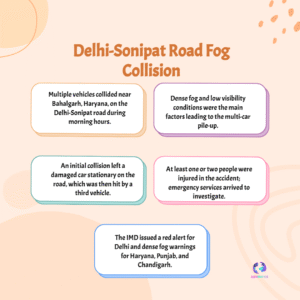



Delhi air quality emergency has activated GRAP IV measures: 50% office attendance, WFH for staff, and a complete non-essential construction ban to tackle toxic pollution levels.
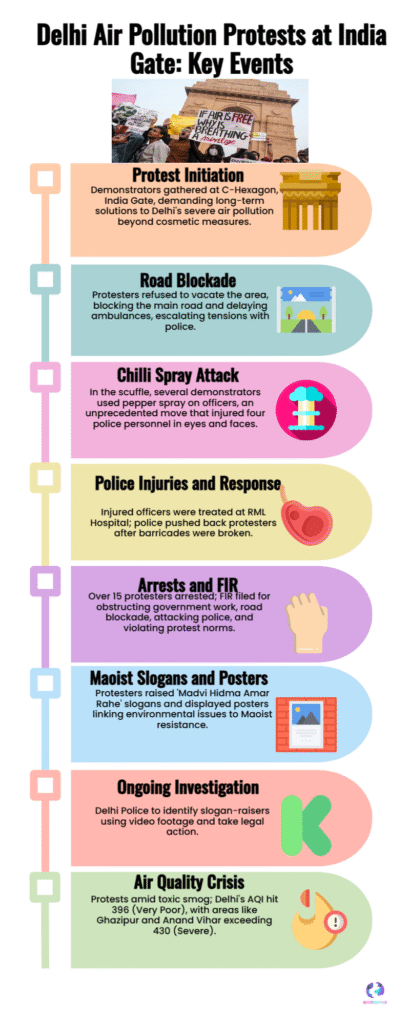
Delhi air pollution crisis emergency work from home rules
The National Capital Territory of Delhi has once again been gripped by a severe air pollution crisis, forcing authorities to impose drastic and immediate emergency measures. As the Air Quality Index (AQI) soared into the ‘Severe Plus’ category, registering levels well above 450, the Commission for Air Quality Management (CAQM) triggered the final and most stringent stage of the pollution control action plan: Stage IV of the Graded Response Action Plan (GRAP). This move represents a public health emergency and carries profound implications for daily life and business operations across the entire National Capital Region (NCR).
The key measure hitting corporate and daily commuters is the immediate mandate for all private and government offices to function at a maximum of 50% physical attendance. For the remaining staff, the directive is clear: work from home (WFH) must be implemented immediately. This sudden shift back to remote work models aims to drastically reduce vehicular movement on the roads, tackling the significant contribution of traffic congestion and vehicular emissions to the toxic atmospheric burden. By reducing the number of people traveling to and from work, authorities hope to cut down on traffic-induced dust and fumes, offering a small but vital reprieve to the choked air.