



AIIMS-trained Neurologist warns that temporary numbness, slurred speech, or drooping is a TIA (mini-stroke). Learn the life-saving signs you must never ignore. Time is brain.
Stroke Prevention & Numbness
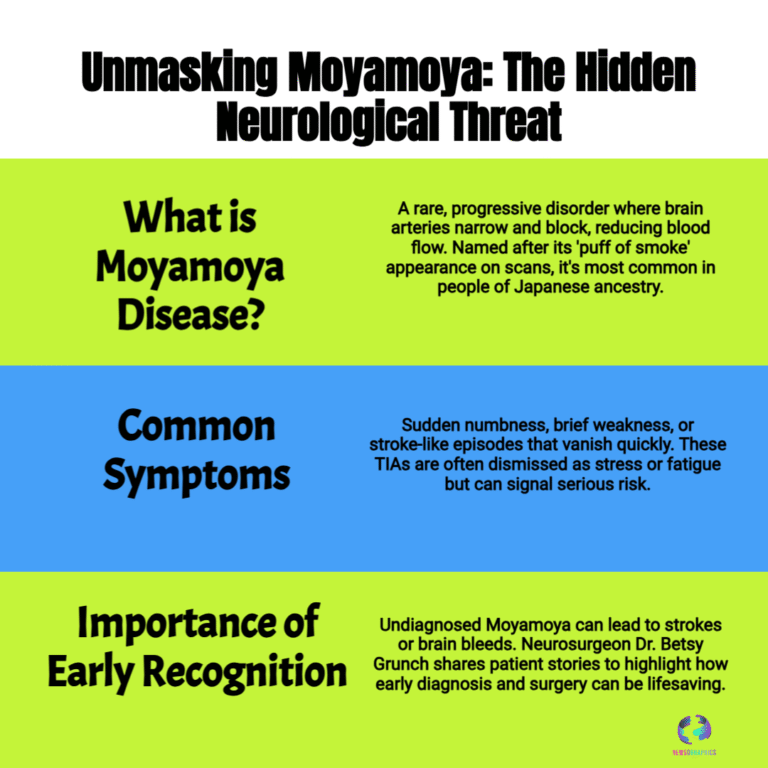
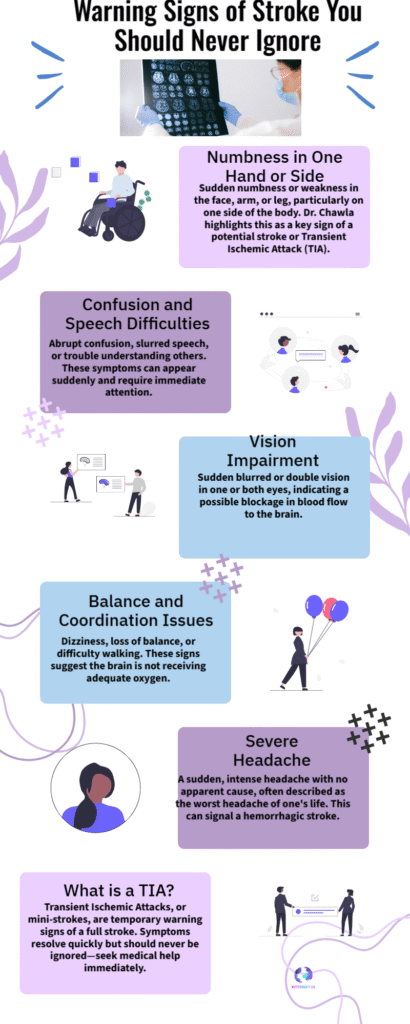
The alarming rise in strokes across younger demographics demands heightened public awareness, and an AIIMS-trained Neurologist, Dr. Rahul Chawla, has issued a crucial, life-saving warning: symptoms that appear briefly and then resolve themselves are precisely the ones that should never be ignored. These fleeting episodes are not a sign of recovery but rather a massive red flag known medically as a Transient Ischemic Attack (TIA), or what is commonly called a mini-stroke.
These symptoms, which signal a Transient Ischemic Attack, are essentially a precursor to a major stroke. The temporary blockage that causes the TIA can quickly resolve, but the underlying vascular instability remains. Ignoring a TIA means missing the only early warning sign you may receive before a more devastating, permanent neurological event occurs.
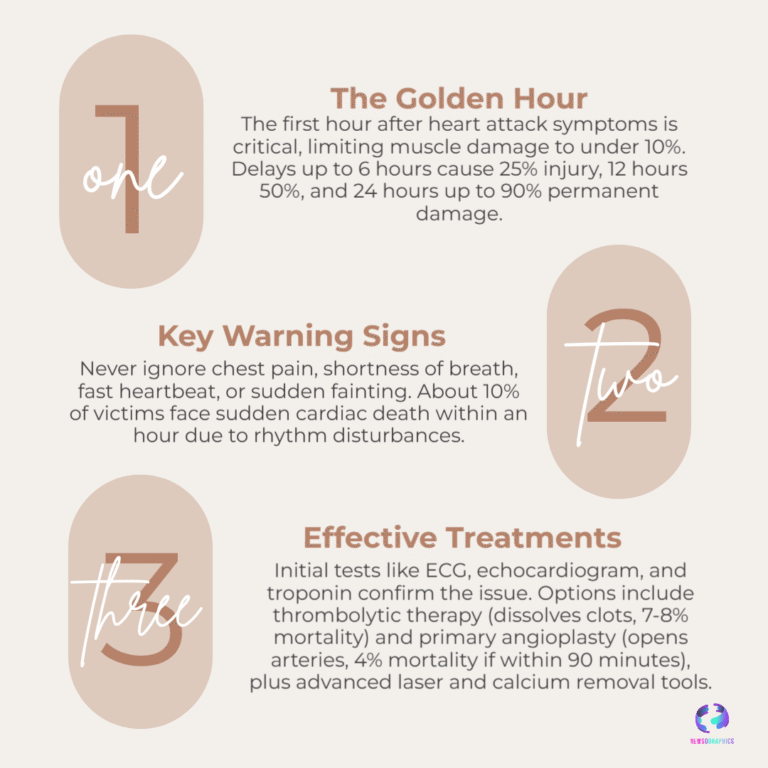
The neurologist stressed that time is brain. In the case of an ischemic stroke, the treatment’s effectiveness is critically dependent on speed. The golden window for administering clot-busting medications (thrombolysis) is narrow—optimally within 4.5 hours of symptom onset. If the patient arrives within this window, the chances of a full recovery are dramatically increased. Delays, often caused by the patient deciding to “wait and watch” after a TIA, result in millions of brain cells dying every minute, leading to permanent disability.
Beyond rapid response, the AIIMS Neurologist advises aggressive stroke prevention through proactive lifestyle management. High blood pressure (hypertension), uncontrolled diabetes, high cholesterol, and smoking are the primary modifiable risk factors. Regular physical activity, a balanced diet, and maintaining a healthy weight significantly lower the risk. Ultimately, the message is clear: neurological health is intrinsically linked to cardiovascular health. By recognizing the subtle, temporary warnings like numbness in one hand as a potential TIA, individuals can drastically improve their chances of avoiding a full-blown stroke and preserving their quality of life.